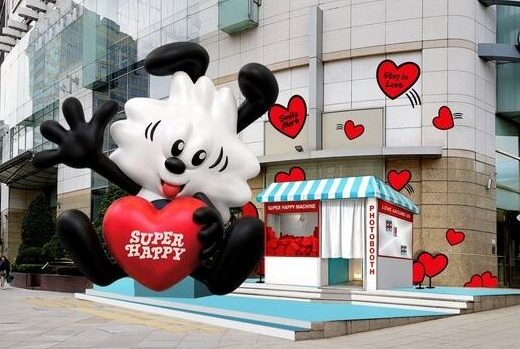
Tokyo-based graphic artist and streetwear designer Verdy presents his first and largest solo museum exhibition in Seoul at LOTTE Museum of Art. Titled I Believe in Me, the exhibition gathers over 300 works and is built around the fundamental concept of self-confidence as a daily practice.
The collection reflects a creative philosophy Verdy has strengthened over years of independent work. It is a mindset centered on trusting instinct over external validation, fleeting trends, or harsh criticism. Rather than positioning the exhibition as a retrospective in the traditional sense, it serves as a declaration. Everything within these walls exists because Verdy believed in it enough to make it real, often long before the traditional art world took notice of his talent.
Verdy in His Youth
Born in Osaka in 1987, Verdy spent his formative years between his home city and Tokyo, absorbing street culture through magazines, punk graphics, and underground youth scenes. Early on, he designed punk band flyers and posters, developing his unique visual style that later evolved into full-scale creative projects, including global brands, characters, and collaborations.
His breakout came with Wasted Youth, a label grounded in youthful punk and skate energy. This was followed by Girls Don’t Cry, a brand created as a personal gift for his wife. While the latter has a more minimalist and nostalgic aesthetic, the two brands share a common DNA of emotional honesty. The name Wasted Youth itself carries a core belief that nothing from the past is truly wasted. Every failure, every late night, and every rejected design becomes the raw material for future creation.
I Believe in Me
I Believe in Me is a deep dive into how Verdy built his career on his own terms. The show features a massive collection of over 300 works, including 100 crayon drawings, 22 large-scale sculptures, exclusive apparel, and a reconstructed version of his private Japanese studio. It is a rare look at the logic behind his art: trusting his instincts, staying consistent, and moving without waiting for a green light. Ultimately, the exhibition is a physical manifestation of that mindset — proof that when you bet on yourself, the rest of the world eventually follows.
The Architecture of the Studio
A standout feature of the exhibition is a meticulously reconstructed version of Verdy’s private Japanese studio. This space offers a rare, intimate look at the environment where his ideas are born. By bringing the viewer into his workspace, Verdy demystifies his creative process. The room is filled with the items that inspire him, from vintage toys and music records to stacks of reference books and half-finished sketches.
Seeing the studio in a museum setting reinforces the idea that art is not just a finished product on a pedestal. It is the result of thousands of hours of consistent work within four walls. This reconstruction emphasizes the importance of a creative sanctuary where an artist can be free to experiment, fail, and eventually succeed on their own terms. It serves as a reminder that every global movement starts in a small, crowded room with a single person who refuses to give up.
Vick and Visty: The Dualities of the Self
At the center of Verdy’s artistic world are his two most famous characters, Vick and Visty. Together, they represent the complex spectrum of human emotion and the dualities that exist within every creative person. Because they are the definitive pillars of his work, they are featured heavily throughout the exhibition as the primary subjects of the large-scale sculptures and intricate artwork. Their presence in the museum allows visitors to interact with Verdy’s graphic legacy in a physical, immersive format that transcends traditional streetwear.
Vick is a panda-rabbit hybrid often sporting an Anarchy logo and a Girls Don’t Cry heart. He channels a rebellious, punk-driven attitude that refuses to conform. His panda side exudes peace and positivity, while his rabbit side is meant to attract longevity, abundance, and prosperity. Residing in the heart of Tokyo and fueled by his love for punk music, Vick operates as the sharper and more defiant figure within the Verdy universe. He is the guardian of the underground.
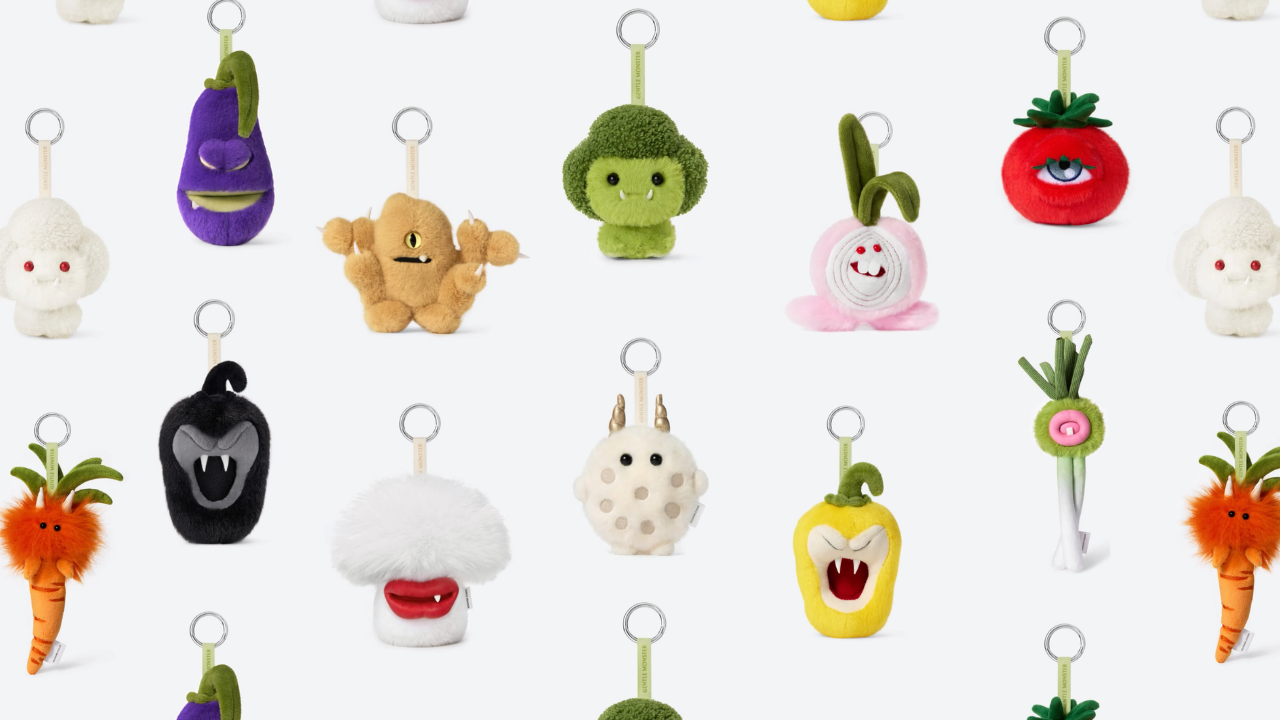
Meanwhile, Visty is a plush, colorful creature created to embody pure joy during challenging times. He serves as both comfort and emotional release. His pastel pink, teal, and yellow characteristics contrast sharply with the stark black and white of Vick. This contrast allows Verdy to explore a wider emotional range, moving from punk aggression to soft optimism. Even when depicted as worn or slightly beaten up, Visty holds onto a resilient cheerfulness that reflects the early days of Verdy’s design career when he had to maintain hope in the face of uncertainty.
The Power of Collaboration
Verdy’s career is defined by his ability to bridge the gap between niche street culture and global luxury. The exhibition highlights his impressive list of collaborators, which ranges from Nike and Coachella to high-fashion houses and heritage brands. However, Verdy approaches these partnerships differently than most designers. He does not change his style to fit the brand. Instead, he invites the brand into his own world.
This collaborative spirit is an extension of his punk roots, where success is built on a network of friends and like-minded creators. Verdy brings this same energy to his global work, ensuring that every partnership feels authentic and mutually respectful. The pieces on display in Seoul show how his signature graphics can transform a classic sneaker or a luxury handbag into a piece of youth culture. These works stand as proof that you can enter the mainstream without diluting your original message.
For the visitors at LOTTE Museum of Art, the takeaway is clear. Your ideas are valid, your past is never wasted, and your self-confidence is the most powerful tool you possess.
Exhibit Information
VERDY: I Believe in Me ⚲
Lotte Museum of Art
7F, Lotte World Tower, 300, Olympic-ro, Songpa-gu, Seoul, South Korea
Open 1030 — 1900, 4.24 — 7.19