Zodiac systems and personality typing have become shorthand labels people use to define themselves. Among them, the Myers-Briggs Type Indicator (MBTI) is one of the most widely recognized. With its sixteen distinct personality types, MBTI has moved far beyond psychology circles into everyday conversation — shaping how people describe themselves, their friendships, and even their relationships.
For some, MBTI is light entertainment. But for others, it’s an influential framework where decisions ranging from career paths to relationship compatibility are filtered through a four-letter type. Online communities have built identities around being an INFJ, ENFP, or INTJ, as though these categories are fast tracks for understanding the complexity of human behavior. Yet as MBTI grew in popularity, so did its cultural remixes.
Now, MBTI is out, SBTI is in.

Source: Soc Nang Dong
MBTI’s Silly Cousin
Somewhere along the internet’s endless appetite for classification systems, a parody emerged on Chinese social media, BiliBili. The Silly Big Personality Test (SBTI) is a chaotic Chinese cousin equivalent to MBTI. This identity typing system was originally created as a joke to poke fun at friends and encourage them to kick bad habits by assigning exaggerated personality labels. What began as a cheeky inside joke quickly spread online, evolving into a meme-like method for quick, comedic self-identification.
Unlike MBTI, which leans toward introspection, SBTI is deliberately unserious. It pushes personality typing into humor, exaggeration, and cultural shorthand with personality types like “HHHH” (傻乐者), “DRUN-K” (酒鬼), and “MALO” (吗喽/monkey) among 24 others. The name “SBTI” alone hints at the quiz’s playful nature, as the letters “SB” sound like a Chinese slang term for “idiot” (傻逼).
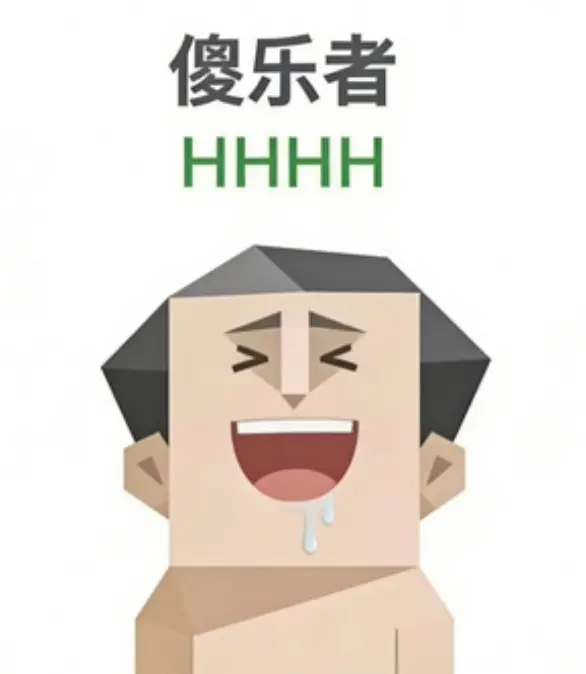
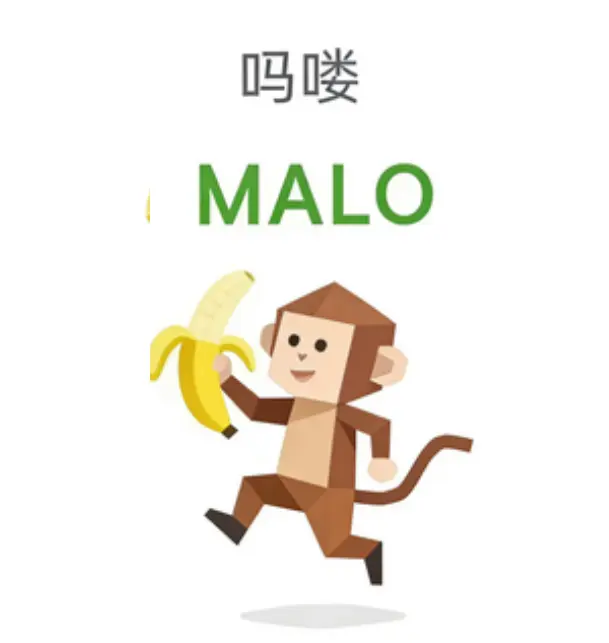
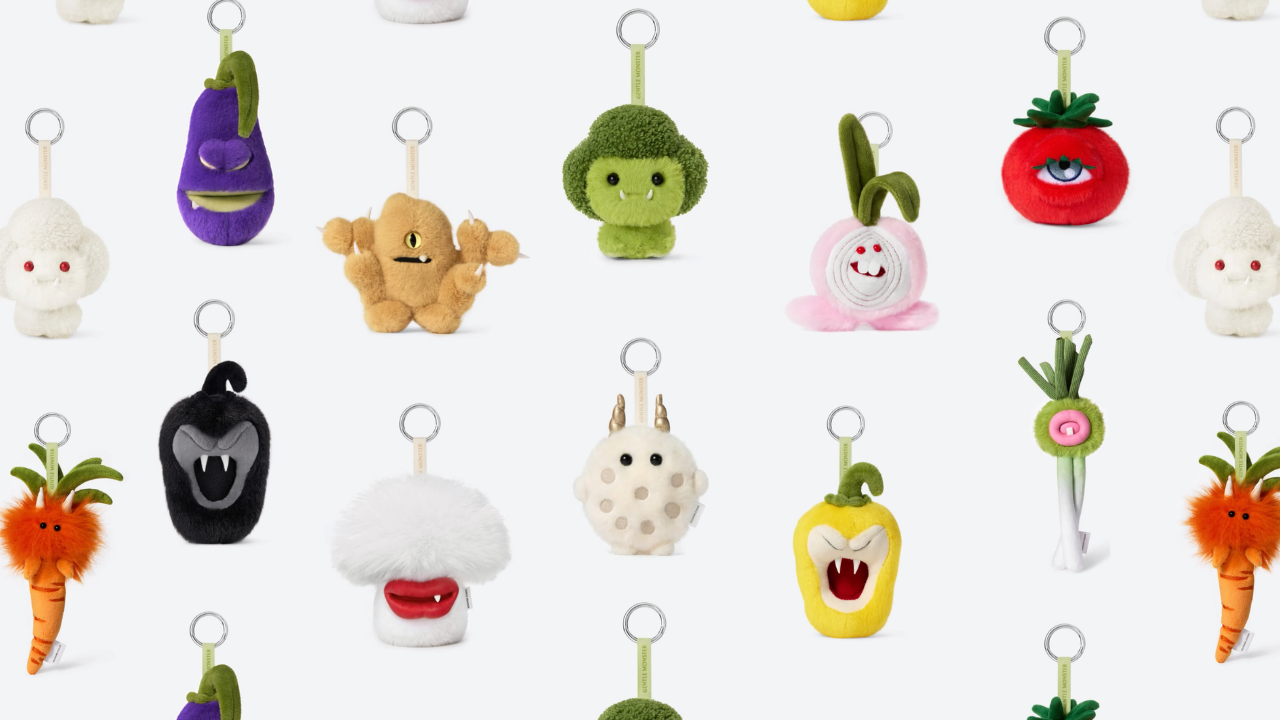
HHHH and MALO, two of 27 silly big personality types. (Source: SBTI)
Faster, Simpler, and Slightly Unhinged
One reason SBTI gained traction is its simplicity. While MBTI tests — especially modern versions like 16Personalities — involve detailed questionnaires and nuanced scoring systems, SBTI reduces the experience to half the number of questions and options. Yet, it results in even more types, highlighting both the chaos and diversity of human behavior.
Unlike MBTI, which can sometimes encourage over-identification and fixed identities, SBTI thrives by removing that pressure. One reflects the impulse to understand ourselves, while the other makes fun of how complicated that understanding can become. The exaggerated nature and absurdity of SBTI personalities serve as a reminder that it is meant for light insight and joyful conversation.
So tell me, are you a MONK or a WOC!?