Ever notice how even a clean brunch can leave you hunting for a pastry an hour later? Or why it feels physically impossible to stop at just one slice of pizza, yet you can easily walk away from a plain bowl of rice or a handful of raw walnuts? There is a science behind this: your brain has separate reward circuits for fats and carbohydrates. Modern meals — even the ones we label as healthy — frequently stack these two macros together, creating a superstimulus that bypasses your satiety signals and drives you to keep eating long after your body’s energy needs are met.
Why Fat Plus Carbs Are So Hard to Resist
In nature, foods rarely contain high levels of both fat and sugar in one. Our ancestors ate fat through nuts, seeds, eggs, and fatty cuts of meat and attained carbohydrates from fruits, tubers, and grains. Often sparse and separate, occasionally together. This was enough to signal energy availability and support survival, not hijack their brain’s reward system. But today, meals and snacks are engineered to do exactly that.

Rich and fatty ramen broth with carby noodles rewards multiple brain circuits, encouraging more frequent consumption of foods like it. (Source: Nadin Sh)
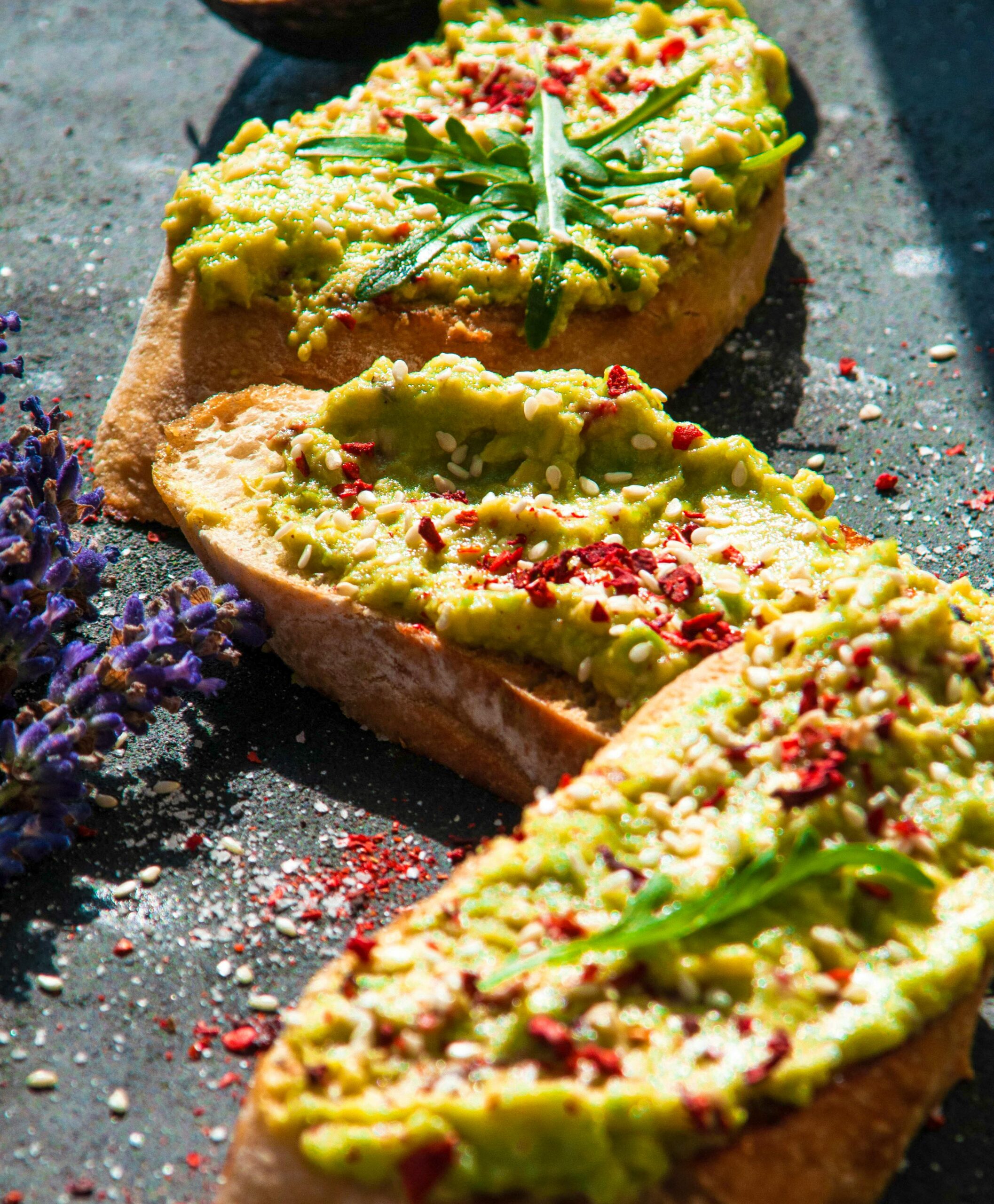
Our brains evolved to value fat and sugar, but in the natural world, they were rarely combined. Modern processed foods stack them artificially, creating a superstimulus that tricks your dopamine circuits into overeating — survival mode hijacked for pleasure beyond need. Processed foods, sauces, baked goods, and even healthy combinations like avocado toast or oatmeal drizzled with nut butter pair fats with carbohydrates. This rewards both fat and carb circuits in the brain, producing a stronger dopamine signal than either alone. The brain interprets this as a high-value resource, leading to significantly greater motivation to continue eating.

Behold the burger, a classic symbol of fat, carbs, and cravings. (Source: Christopher Welsch)
Why Willpower Isn’t Enough
Consuming these meals isn’t only driven by consciousness and taste. A study showed that post-ingestive gut signals alone can increase dopamine release in the striatum, a key brain region for reward and motivated behavior. In other words, your brain may be driving you to eat without you realizing it, because it senses a high-value energy combination. This explains why cravings feel relentless, why people can’t stop at a single serving, and why just deciding not to eat often fails.
The Modern Meal Problem
Aside from the obvious fast and processed foods, almost every modern meal now contains some fat and carb combination. Noodles are dished out in fatty broth; rice bowls are enhanced with oil, nuts, or fatty protein; bread slices are stuffed with spreads and meats; and pastas are sauced up with cream and cheese. The modern way of eating makes it nearly impossible to avoid simultaneously activating these reward circuits. Even clean, healthy meals like an avocado toast can trigger dopamine spikes greater than consuming fruit and grain separately.

Trail mix of nuts and dried fruit is also a sneaky fat-carb combo. (Source: AXP)
How to Work With It
You don’t have to live on plain chicken and steamed broccoli to reclaim your brain, but understanding these neurological mechanisms allows you to make smarter choices. Here are some ways to break away from the cycle:
- Earn the Indulgence: If you want to enjoy the fat-carb delicacies the world has to offer — and you should — aim for moderation and movement. Stay active to help your body manage the energy influx, and try to make yourself work for the food by cooking it from scratch or saving it for special occasions.
- De-Stack Your Macros: When possible, try to space out your high-carb and high-fat intake. If you’re having a carb-heavy breakfast like fruit or grains, keep the added fats (like butter or heavy oils) to a minimum.
- Fiber & Protein Buffer: Prioritize fiber and protein in every meal. Both of these slow down the digestive process and dampen the reward spike in the brain, helping you feel satisfied rather than just rewarded.
- Whole Food Focus: Stick to whole, unprocessed options. A potato (carb) and a steak (fat) are much harder for the brain to over-consume than a potato chip, which has been processed to blend the two into a seamless, hyper-palatable crunch.
Ultimately, recognizing the science of cravings turns a moral failing into a manageable biological hurdle. By understanding how the avocado toast is talking to your striatum, you can finally start talking back.